Quick Summary
This article provides a comprehensive strategy for designing and assembling custom mechanical keyboards that deliver superior typing interfaces, leveraging current technology trends and practical insights for enthusiasts and professionals.

Aula F75 2.4g Wireless/bluetooth/wired Gaming Mechanical Key
Aula F75 2.4g Wireless/bluetooth/wired Gaming Mechanical Key
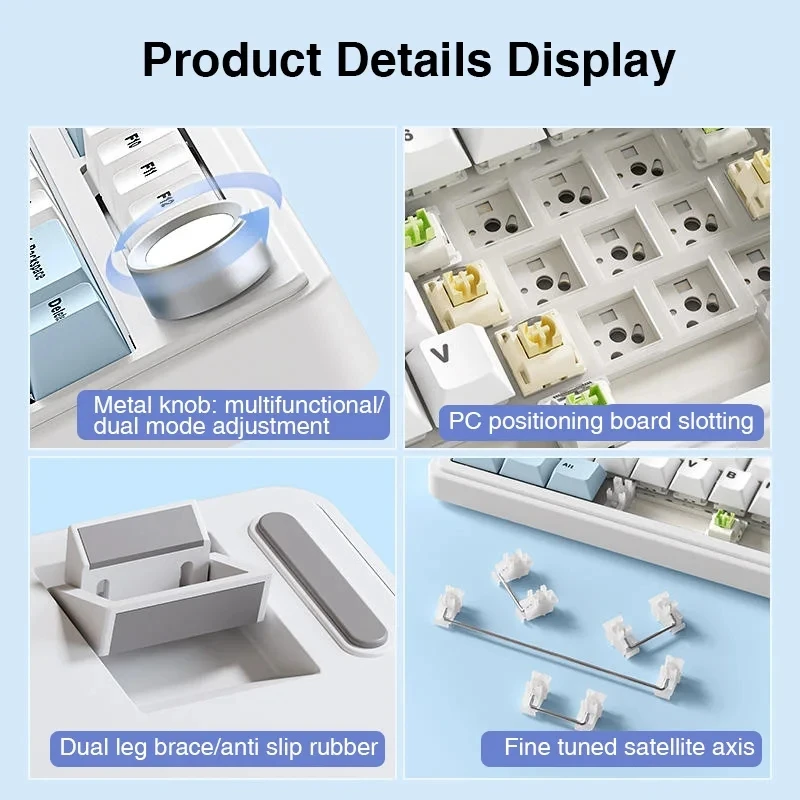
Aula F75 2.4g Wireless/bluetooth/wired Gaming Mechanical Key
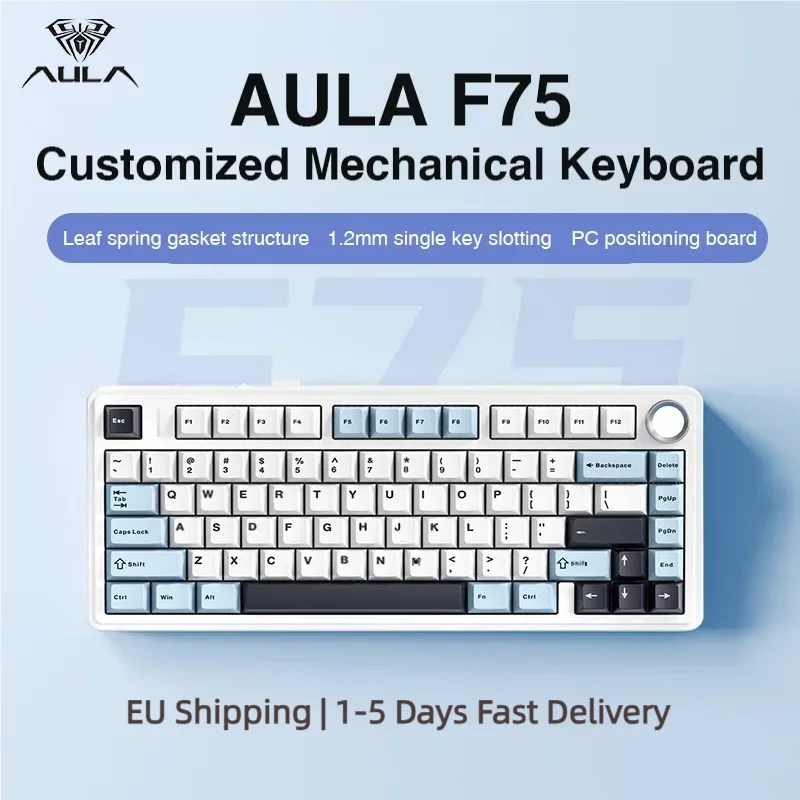
Aula F75 2.4g Wireless/bluetooth/wired Gaming Mechanical Key
The Click-Clack Rebellion Starts Here (Without the Soldering Iron)
For decades, the standard-issue office keyboard defined our digital lives: a mushy, silent, and frankly forgettable slab of plastic. It was a tool, not an experience. Then, a revolution began with a sound—a crisp, satisfying click-clack that started in gaming dens and developer forums and has since echoed into home offices everywhere.
We’re in the golden age of the mechanical keyboard. What was once a niche hobby is now a mainstream pursuit, driven by a desire for better ergonomics, tangible precision, and a dash of personal expression in our digital routines. But let’s be honest: the world of group-buy cases, hand-lubed switches, and custom soldering can be an intimidating and expensive cliff to scale.
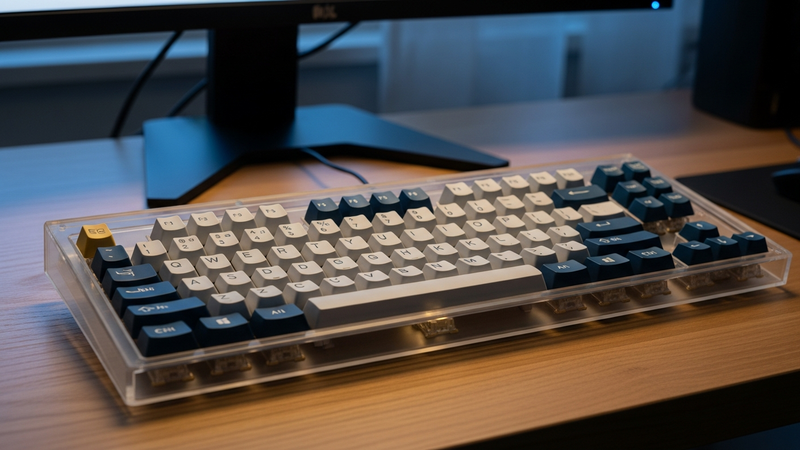
This guide is for the curious. You’ve heard the hype, felt the allure of a better typing experience, but aren’t ready to drop $500 on a soldering kit and a six-month group buy. Good news: the revolution has gone mainstream. A new wave of "hidden gem" keyboards delivers the core satisfaction of custom builds—superior feel, sound, and style—in a ready-to-use (or easily moddable) package. Consider this your map to the best entry points.
Why the Right Keyboard Changes Everything
It’s not about vanity; it’s about interface. The tool you use to translate thought into action for hours a day should be a joy, not a chore. A great mechanical keyboard offers tangible feedback that can reduce fatigue, improve accuracy, and turn a mundane task into a small daily pleasure. It’s functional art you interact with constantly.
The best part? You no longer need to build from scratch to get 90% of the way there.
Deconstructing the Dream: What to Look For
To find the hidden gems, you need to know what makes a keyboard great. Let’s break down the key features that transform a good board into a fantastic one.
The Foundation: The Case & Mounting Style
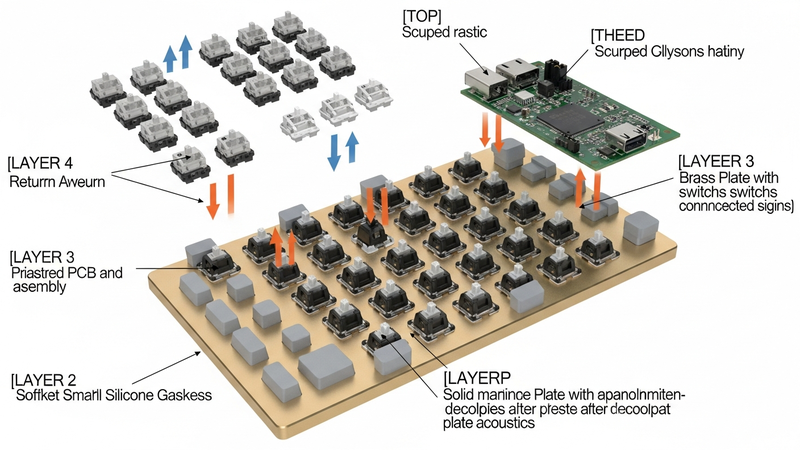
The case is the body of your keyboard, and how it’s built determines its sound and feel. Forget the old, stiff tray-mount designs. The modern holy grail is the gasket mount, where the typing assembly is suspended on soft rubber gaskets. This creates a bouncy, consistent, and pleasantly muted typing sensation that feels premium and reduces finger fatigue.
Hidden Gem Alert: This advanced feature is now trickling down to incredibly affordable boards. You can experience that premium, bouncy feel without a custom kit.
The Heart: Switches & Hot-Swap Sockets
Switches are where your fingers live. The big three are:
- Linear: Smooth and quiet, favored for gaming.
- Tactile: A noticeable bump for typing feedback.
- Clicky: A sharp tactile bump with an loud, classic click.
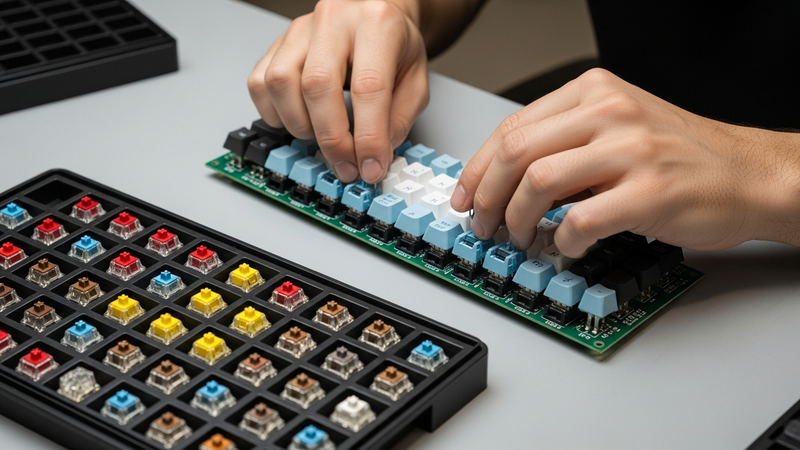
The real game-changer for newcomers is the hot-swap socket. This lets you plug switches in and out with a simple tool, no soldering required. It’s an invitation to experiment. Don’t like the red switches it came with? Swap in some tactile browns or silent pinks in five minutes.
The Soul: Keycaps & Personalization
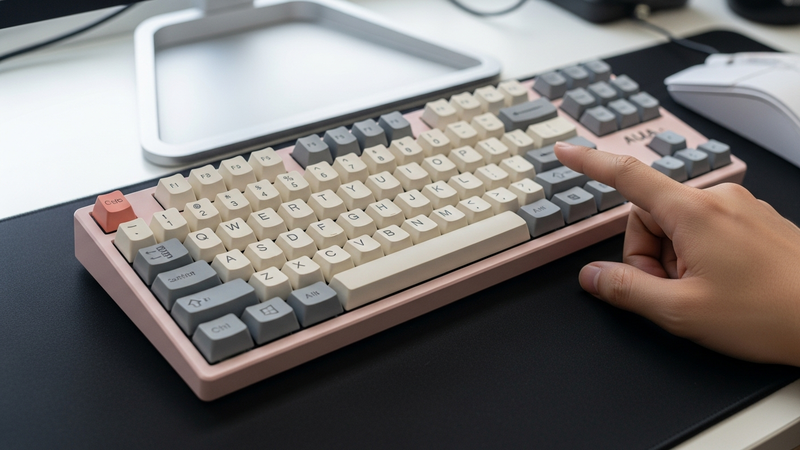
Keycaps are the personality. The best starter sets are made of PBT plastic—durable, resistant to shine, and often with a pleasingly textured feel. Look for keyboards with standard keycap sizes so you can easily buy a gorgeous aftermarket set to make it truly yours.
The Hidden Gems: 5 Keyboards That Punch Way Above Their Weight
After sifting through the data—sales figures, user ratings, and spec sheets—these five boards stand out as true gateways into the mechanical keyboard experience. They offer premium features at startlingly accessible prices.
1. The All-Rounder Champion: Ajazz AK820 Pro
Why it's a gem: It packs the single most sought-after premium feature—a gasket mount—into a sub-$35 package. You get that soft, bouncy typing feel usually reserved for boards costing four times as much. With Bluetooth, wired, and 2.4GHz wireless connectivity, it’s the perfect versatile workhorse for a clean desk.
Key Features: 75% layout, Gasket Mount, Triple-Mode Wireless, White Backlight.
2. The Wireless Powerhouse: Aula F75
Why it's a gem: Consistently a top-seller for a reason. The F75 offers an incredible blend of value: robust triple-mode connectivity, a satisfying stock typing feel, and a sleek design. It’s the complete package for someone who wants a no-compromise, reliable wireless keyboard that feels solid and responsive right out of the box.
Key Features: 75% layout, Triple-Mode Wireless, Hot-Swap (on most versions), Long Battery Life.
3. The Modder's Canvas: Akko Monsgeek Fun60
Why it's a gem: This is your first step into true customization. The Monsgeek Fun60 is a barebones kit, meaning you get a quality aluminum case and PCB, and you add your own switches and keycaps. It’s the perfect project for learning, offering a taste of the builder’s journey without the complexity of soldering (it’s hot-swap).
Key Features: 60% layout, Aluminum Case, Hot-Swap PCB, Barebones Kit.
4. The Feature-Packed Value King: Ajazz AK820 (Wired)
Why it's a gem: If wireless isn't a priority, this wired version of the AK820 delivers exceptional value. You still get a great typing experience, often with per-key RGB lighting and solid construction, for an even lower entry price. It proves you don’t need to spend much to escape mushy membrane hell.
Key Features: 75% layout, Wired USB, White or RGB Backlighting, Excellent Stock Feel.
5. The Premium Entry Point: Aula F75 (Higher-Tier Model)
Why it's a gem: Some versions of the F75 come with upgraded features like lubed switches or more premium stabilizers right from the factory. For a few dollars more, you get a keyboard that’s been pre-tuned to sound deeper and feel smoother—essentially, a free mod that saves you hours of work.
Key Features: 75% layout, Triple-Mode Wireless, Factory-Lubed Switches, Improved Stabilizers.
Your First "Build": It’s Easier Than You Think
With these hidden gems, “building” your dream keyboard is more about personalization than fabrication. Here’s your strategic approach:
- Pick Your Foundation: Choose one of the gems above based on your need (wireless? gasket mount? a kit?).
- Mod the Stabilizers (The #1 Upgrade): Even great boards can have rattly spacebars. A $5 tube of dielectric grease and 10 minutes to lube the stabilizer wires will make a monumental difference in sound. It’s the most rewarding 10 minutes you’ll spend.
- Experiment with Switches: If you chose a hot-swap board, buy a small sampler pack of switches. Try a linear, a tactile, and a clicky. Swapping them is as easy as changing batteries.
- Dress It Up: Grab a PBT keycap set in a colorway you love. It’s the fastest way to make the keyboard feel uniquely yours.
The Verdict: An Accessible Revolution
The barrier to entry for a fantastic typing experience has never been lower. You don’t need to be an electrical engineer or spend a small fortune. These hidden gems prove that the core joys of the mechanical keyboard world—tactile satisfaction, personalized sound, and individual expression—are now available to everyone.
The click-clack rebellion isn’t an exclusive club. It starts with a single, well-chosen keystroke. Pick a board that speaks to you, make it your own with a simple mod or two, and rediscover the simple pleasure of typing. Your fingers will thank you.
Tags: #Technology #DIYElectronics #ErgonomicDesign #MechanicalKeyboards #CustomKeyboards
Aula F75 2.4g Wireless/bluetooth/wired Gaming Mechanical Key
Aula F75 2.4g Wireless/bluetooth/wired Gaming Mechanical Key
Aula F75 2.4g Wireless/bluetooth/wired Gaming Mechanical Key
Aula F75 2.4g Wireless/bluetooth/wired Gaming Mechanical Key
What we liked
- Superior typing comfort and efficiency with customizable switches and layouts
- Full personalization for unique aesthetics and functional preferences, enhancing user satisfaction
What could be better
- High upfront costs and ongoing expenses for premium components and tools
- Complex assembly process requiring technical skills and significant time investment
Gallery
Top Picks For You
We've curated these high-rated options matching Crafting Excellence: A Strategic Guide to Building Premium Custom Mechanical Keyboards based on quality and value.
Aula F75 2.4g Wireless/bluetooth/wired Gaming Mechanical Key
Aula F75 2.4g Wireless/bluetooth/wired Gaming Mechanical Key
Aula F75 2.4g Wireless/bluetooth/wired Gaming Mechanical Key
Aula F75 2.4g Wireless/bluetooth/wired Gaming Mechanical Key
Level Up Your Shopping Game
Join 17,530+ smart shoppers who get our exclusive guides and honest reviews delivered weekly.
No spam ever. Unsubscribe with one click.
In this Article
Reading time: approx. 7 min
Related Topics