Quick Summary
Learn how to master rug tufting to create personalized floor rugs from scratch. This guide offers actionable insights into tools, techniques, and inspiration for beginners and enthusiasts alike.
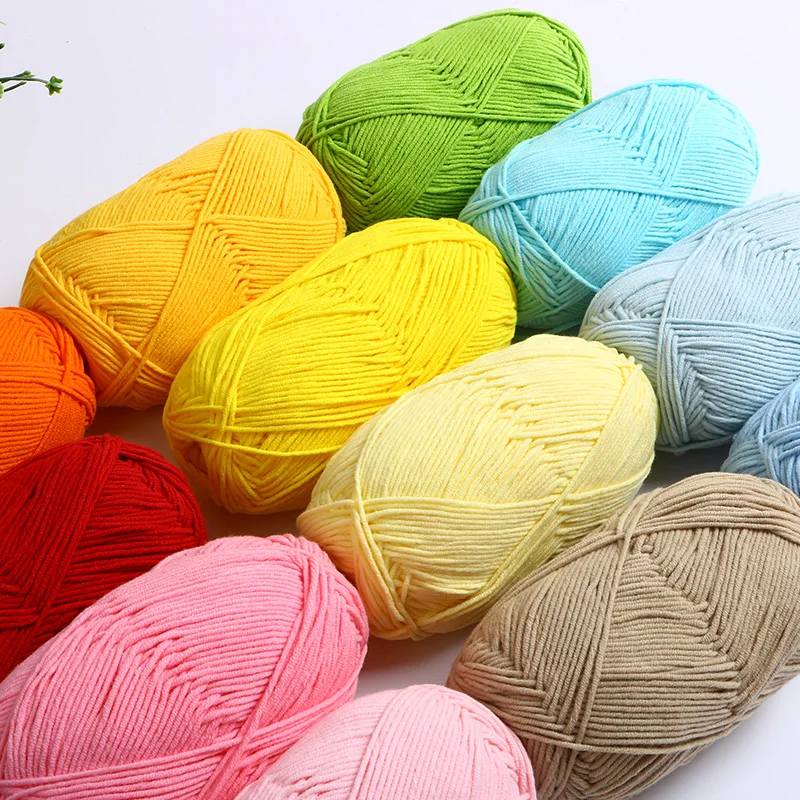
40-50g/set 4ply Milk Cotton(80%) Knitting Yarn Needlework Dy

40-50g/set 4ply Milk Cotton(80%) Knitting Yarn Needlework Dy
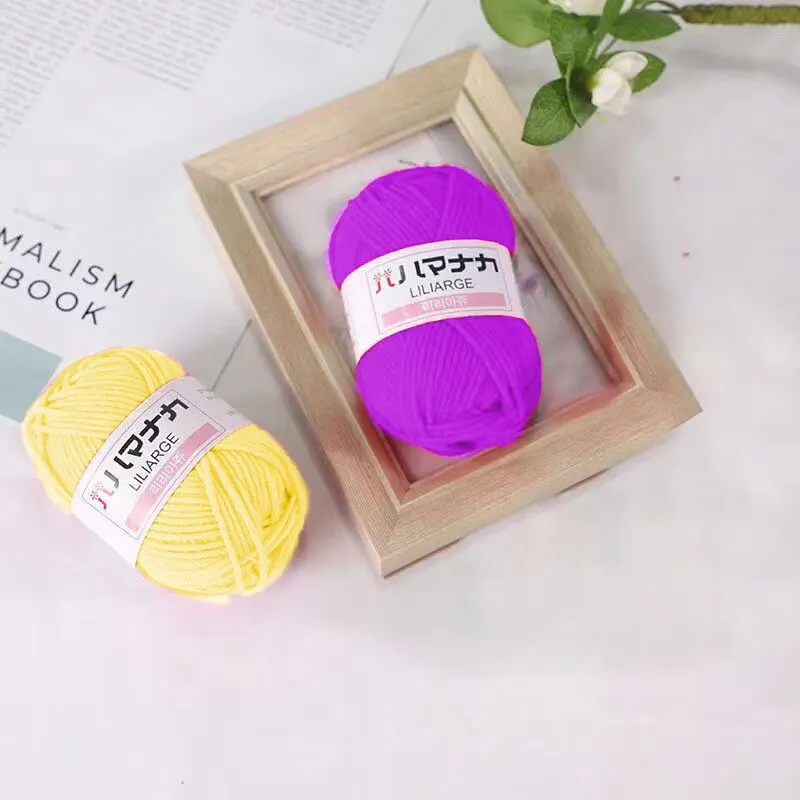
3pcs Milk Sweet Soft Cotton Baby Knitting Wool Yarn Thick Ya
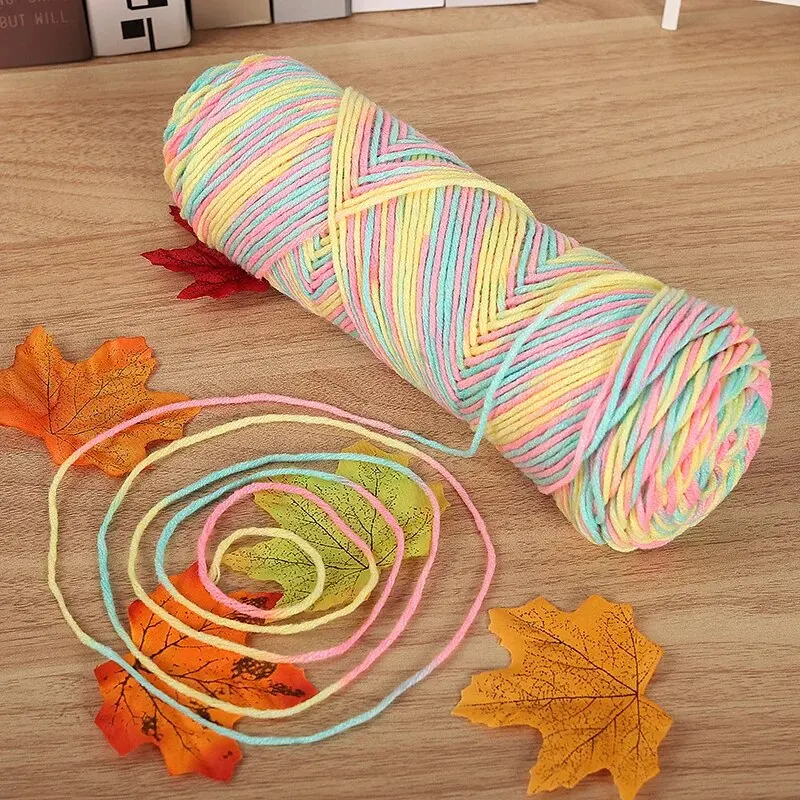
2 Pcs Colorful 5-strand Dyed Milk Cotton Baby Sweater Yarn S
The Art of the Floor: How I Learned to Tuft My Way to a Perfectly Personal Home
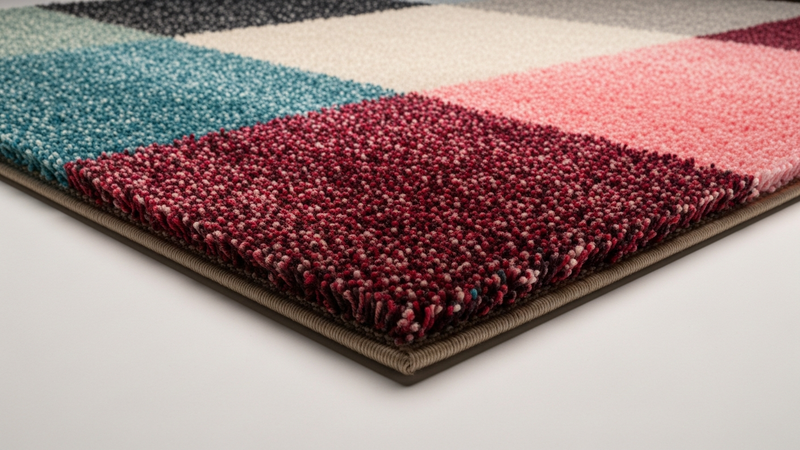
We live in an era of mass production, where identical flat-pack furniture and machine-printed art fill homes from Seattle to Sydney. But a quiet, tactile rebellion is underway. In studios, garages, and spare bedrooms, a new generation is reclaiming the ground beneath our feet, stitch by colorful stitch. This is rug tufting, and it’s transforming blank canvases of fabric into bold, deeply personal floor art.
This isn’t your grandmother’s painstaking latch hook. This is powered, precise, and profoundly satisfying. I dove in headfirst, driven by a desire to replace a generic store-bought rug with something uniquely mine. What I found was more than a craft; it was a portal to creative control, a meditative practice, and a way to literally walk on my own imagination. If you’ve ever looked at your space and felt something was missing, that missing piece might just be the rug you haven’t made yet.
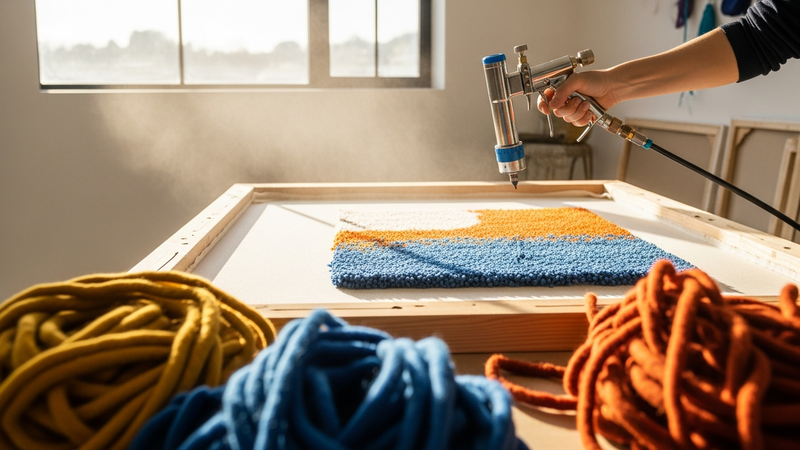
Why Tuft? The Allure of the Handmade Floor
The resurgence of rug tufting taps into something primal. In a digital age, the physical act of creating something substantial—something you can feel underfoot—is incredibly grounding. Social media is awash with mesmerizing videos: the steady brrrrrp of the tufting gun, the satisfying emergence of plush pile, the dramatic “rug peel” reveal. It’s visual ASMR for the creatively inclined.
But beyond the trend, the benefits are concrete. Complete creative control means your rug can be any size, shape, color, or design. Want a rug with your dog’s portrait? A geometric pattern in your exact wall paint colors? Done. The therapeutic, hands-on process is a powerful antidote to screen fatigue. The focus required to guide the gun and manage the yarn creates a state of flow that’s hard to achieve elsewhere.
Of course, it’s not all instant gratification. There’s an initial investment in tools, and yes, there is a learning curve; your first lines will be wobbly. But as I learned, the journey from novice to confident maker is half the joy. The first time you flip over a finished rug and see the dense, professional-looking tufts on the back, every moment of frustration pays off.
The Tufter's Arsenal: Your Essential Toolkit
You can’t build a house without a hammer, and you can’t tuft a rug without the right kit. This is your foundational investment. Based on my experience, here’s what you truly need to start.
The Heart of the Operation: The Tufting Frame
Your frame is your universe. It must hold the primary fabric drum-tight. While you can build one, I recommend a pre-made adjustable frame for beginners to ensure perfect, wobble-free tension. Look for sturdy pine or aluminum with a reliable gripping system of carpet tacks or gripper strips.
The Power Tool: Choosing Your Tufting Gun
This is your magic wand. For beginners aiming to make classic, plush rugs, a cut-pile gun is the standard. Start with a plug-in electric model; it’s the most accessible. A critical feature is the pile height adjustment dial, which lets you control the length of each tuft for texture variation.
The Canvas: Primary & Secondary Backing
The fabric you tuft into is non-negotiable.
- Primary Backing (The Tufting Surface): Monks cloth is the undisputed champion. It’s a sturdy, open-weave cotton that’s strong enough to withstand the gun’s needle but open enough for it to pass through cleanly. Don't substitute with burlap—it will tear.
- A Smart Choice: For your first project, a pre-marked monks cloth can be a huge help. Something like this 1.5*3 Meter Monk Cloth (from $2.66 | 98% Positive Rating) provides a great, ready-to-use surface with helpful guide lines, taking one variable out of the equation as you learn.
- Secondary Backing (The Rug’s Underside): This locks the yarn in place. Use non-slip rug pad material or heavy-duty felt for durability and safety.
The Star of the Show: Yarn
This is where your rug gets its personality. For floor rugs, you need durability. 100% wool is the gold standard, but for practice and vibrant color, a wool-acrylic or cotton-acrylic blend is a fantastic, budget-friendly starting point.
- A Beginner's Yarn Strategy: When you're learning, you'll go through more yarn than you think, and you’ll want to experiment with colors without breaking the bank. Affordable, highly-rated "milk cotton" blend yarns—often a mix of cotton and acrylic—are a popular choice in the tufting community for early projects. They are soft, come in every color imaginable, and let you practice the fundamentals guilt-free.
- For example, a set like this 40-50g/set 4ply Milk Cotton Knitting Yarn (from $2.28 | 98% Positive Rating) offers a variety of colors to play with.
- For a chunkier pile that fills space quickly, a 5-ply option like this 50g 5ply Milk Cotton Knitting Wool Yarn (from $2.64 | 96.3% Positive Rating) can create a lovely, substantial feel.
- If you're tackling a bigger project or want a specific tufting yarn, look for an 8-strand option like this **[400g Tufting Gun Special 8 Strand Milk Cotton Acrylic Yarn](https://s.click.aliexpress.com/s/NdpwztbAIgDMmxGbP8fFks7yUFfsHjzlImSYmA68h7xlMRgzueFsRgokQ9f9hcpVKttxtQE2VzIoqkXJXrpOr6uR3zv7mP4CDO9CddoFf4t0QE5DXPy8Pgjhz4irfQSEjEGUmy5yF3A5gJ9h3NYjLMgqIMqa3zcpq5E2BC3W5EbV40Dm9buQxWpZzw1lbX8Zm2kZtNIa4KyDieNjsH7IU6Yv8StELKVvT9r4eFAaXPGhwHsgaDqdNcmY116r3GC2YvsOopeiiZPhJrV0cwgOQDSkW93v7gVkNdlFeQuoIZcqEZIhXMmUzyCIjxfV3dQ2uyrYiWb9MF2hvN3hXm5p2rKlcmQB6tV3UxpLmNTq4ycbU4lBTnsQ3DE13visul5iHsIYQX6oEsaWM3Aq0vYIZjRf02YFUGIVYrNUuqdd63RbQForiM4zaluRyBeK96oA8Szb2xzOVSzq1KDUFrITJ6O8hOrdHNSqj4Db2P8U1JHhYtaQ
40-50g/set 4ply Milk Cotton(80%) Knitting Yarn Needlework Dy
40-50g/set 4ply Milk Cotton(80%) Knitting Yarn Needlework Dy
3pcs Milk Sweet Soft Cotton Baby Knitting Wool Yarn Thick Ya
2 Pcs Colorful 5-strand Dyed Milk Cotton Baby Sweater Yarn S
What we liked
- Allows for full creative control to design unique, bespoke home decor
- Provides a hands-on, therapeutic crafting experience with tangible results
What could be better
- Requires an initial investment in specialized equipment and materials
- Can be a steep learning curve with potential for errors during the tufting process
Gallery
Top Picks For You
We've curated these high-rated options matching Craft Your Own Custom Floor Rugs: A Comprehensive Guide to Rug Tufting based on quality and value.
40-50g/set 4ply Milk Cotton(80%) Knitting Yarn Needlework Dy
3pcs Milk Sweet Soft Cotton Baby Knitting Wool Yarn Thick Ya
40-50g/set 4ply Milk Cotton(80%) Knitting Yarn Needlework Dy
2 Pcs Colorful 5-strand Dyed Milk Cotton Baby Sweater Yarn S
Level Up Your Shopping Game
Join 23,039+ smart shoppers who get our exclusive guides and honest reviews delivered weekly.
No spam ever. Unsubscribe with one click.
In this Article
Reading time: approx. 8 min
Related Topics