Quick Summary
Explore how herb scissors transform kitchen efficiency by quickly and uniformly chopping greens and herbs, helping you save time and effort in meal preparation while maintaining quality and presentation.

Multi-functional Stainless Steel 3/5 Layer Kitchen Scissors
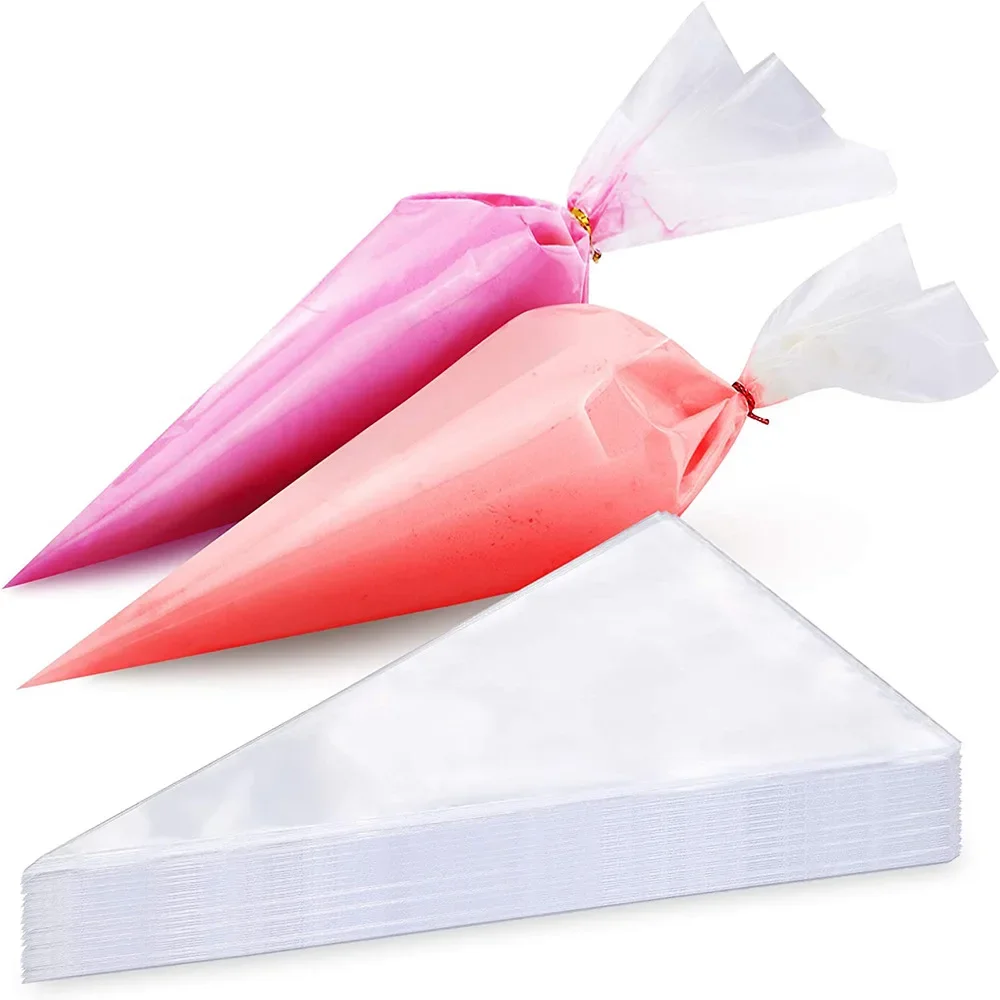
100/50/20pcs Disposable Piping Bag Pastry S Icing Fondant Ca
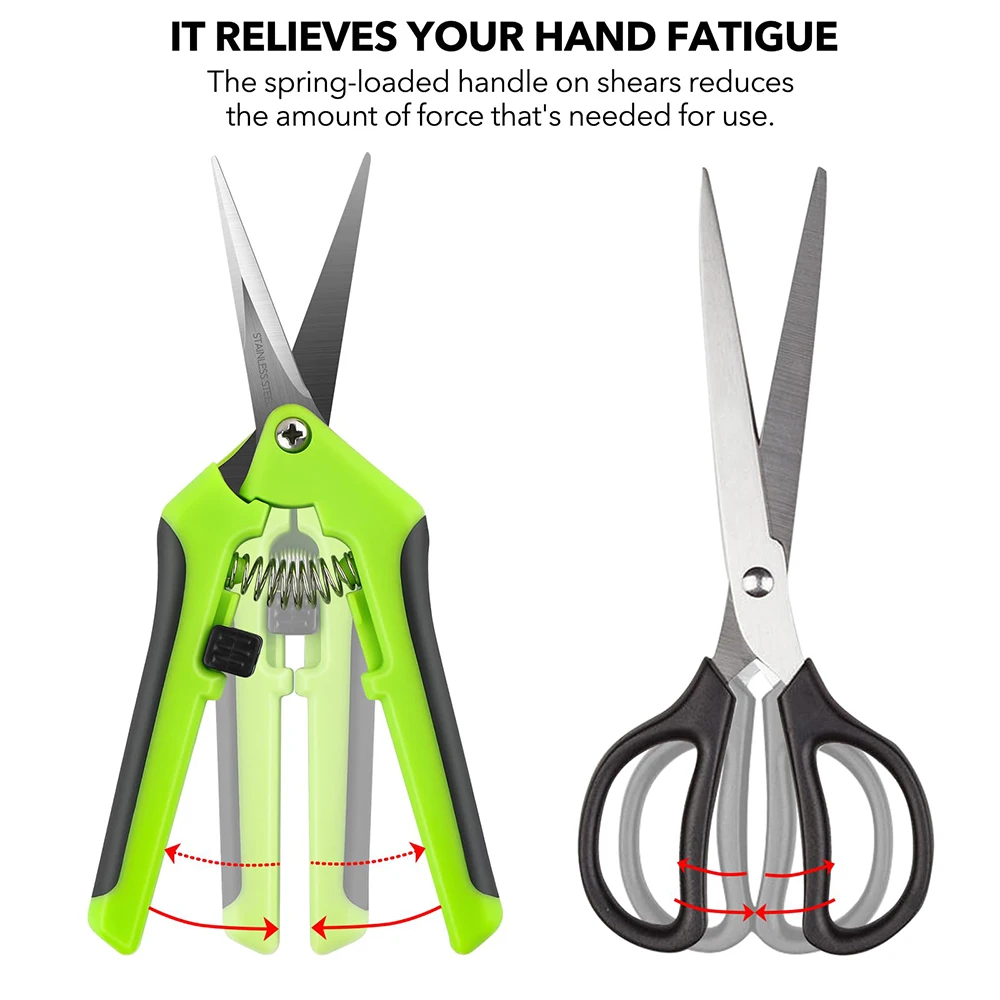
Garden Pruning Shears Set - Stainless Steel Trimming Scissor

Lmetjma 3 In 1 Rotary Cheese Grater Versatile Manual Vegetab
The Kitchen Tool That Changed My Wednesday Nights
The light over my cutting board is always too harsh at 6:45 PM. I was staring down a mountain of cilantro, my chef's knife feeling clumsy and slow in my hand. Each rock of the blade bruised the delicate leaves, sticking them to the board. In that moment of weeknight exhaustion, I had a clear, desperate thought: There has to be a better way.
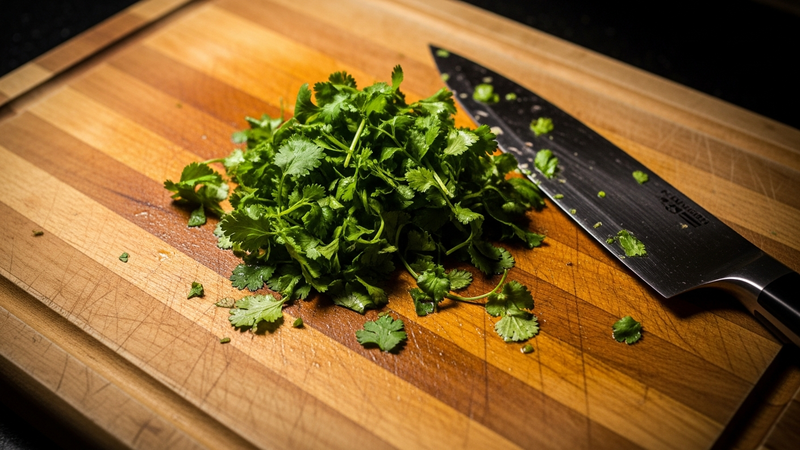
That was the start of my obsession with one of the most unfairly maligned tools in the kitchen: herb scissors. I dismissed them for years as a single-use gimmick. But after months of testing—timing chops, weighing results, and ruining a few bunches of parsley in the name of science—I’m here to report a fundamental truth. For the right cook, this isn’t a gadget. It’s a liberation.
This is the story of that discovery, and a guide to finding your own perfect pair.
What Are Herb Scissors, Actually?
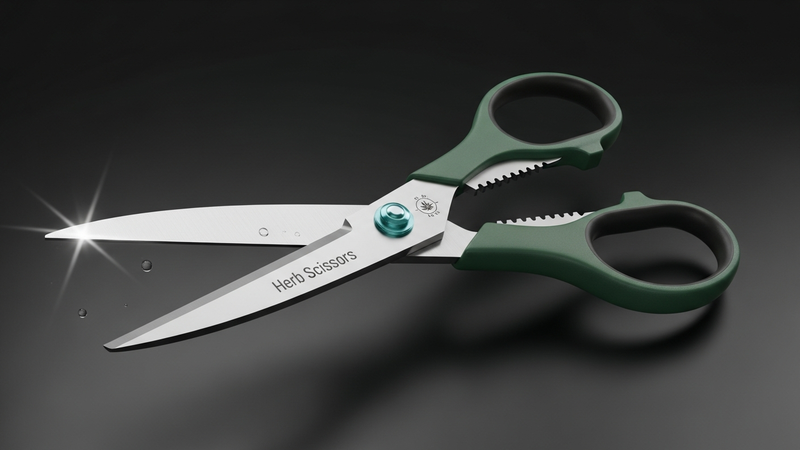
Imagine if a pair of scissors and a tiny hedge trimmer merged. Instead of two blades, you get four, five, or even eight small, parallel blades on one handle, closing against a single blade on the other. One squeeze creates a handful of perfectly even, confetti-like cuts. You’re not just cutting; you’re instantly mincing.
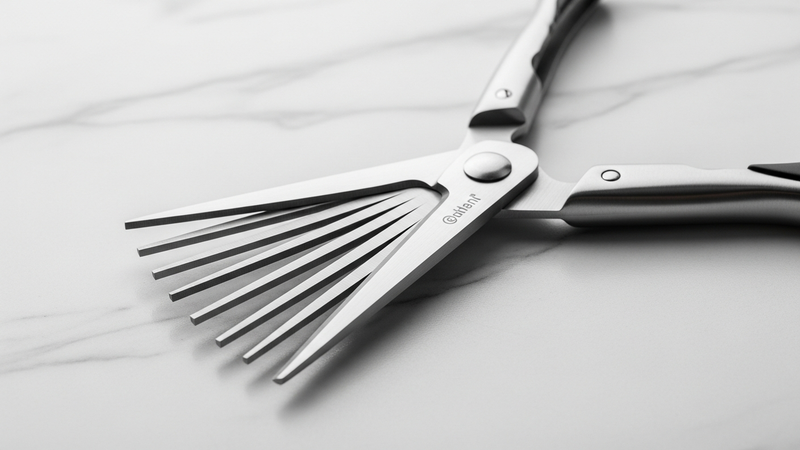
Their purpose is singular but powerful: to annihilate soft, leafy herbs and greens with speed and uniformity.
- The Classics: Cilantro, parsley, chives, dill.
- The Delicates: Basil, mint, tarragon (with minimal bruising).
- The Greens: Arugula, spinach for a quick chiffonade, lettuce for taco night.
The crucial mindset shift? They are not a replacement for your knife. They are its specialist partner, taking over one repetitive, high-volume task so your chef’s knife can handle everything else.
The Showdown: My 8-Inch Chef’s Knife vs. The Field
I had to know. Was I just imagining the efficiency? I took a standard supermarket bunch of cilantro and put both methods to the clock.
The Knife: The rock-chop, the gather, the re-chop. It took 1 minute, 47 seconds of focused work. The result was good—chopped cilantro. But the board was wet with herb juice, and a few stray stem pieces hid in the pile.
The Herb Scissors: Grab, snip, snip, snip. 38 seconds. The result was a shockingly uniform, fluffy pile of confetti. Stems were effortlessly left behind in my hand. No bruising, no mess on the board.
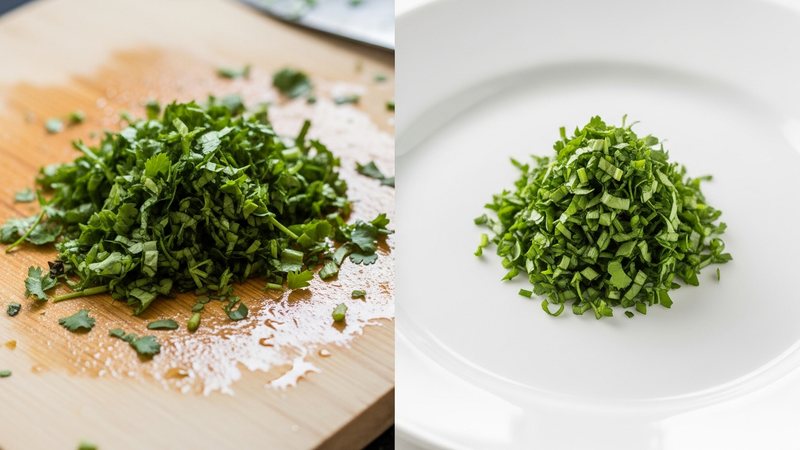
The victory wasn’t just in speed. It was in the effortless flow. The scissors enabled the “no-board” method—snipping chives straight over a baked potato or parsley over pasta. It eliminated not just chopping time, but transfer and cleanup time. For weeknight cooking, this isn't a minor upgrade; it's a systems-level improvement.
The Real, Unhyped Benefits (And the Real Drawbacks)
Beyond the speed, here’s what makes a great pair worth it:
- Ergonomic Savior: For anyone with hand pain, arthritis, or just less grip strength, the squeezing motion is far gentler than the forceful rocking of a knife.
- The Flavor-Blend Trick: Grab a sprig of parsley, one of cilantro, and a chive in one hand. A few snips gives you a perfect fines herbes blend instantly—no separate chopping and mixing.
- Waste Not: You naturally snip leaves from stems, so you use more of what you buy and avoid chopping woody bits into your food.
But I’m not a salesman. Here’s the honest truth:
- Cleaning is a Must: Those multiple blades trap green bits. You must rinse and brush them immediately, or they become a hygiene nightmare.
- They’re Specialists: They will mangle a single basil leaf meant for a Caprese salad. They can’t touch carrots, celery, or anything hard. They have one job.
- The Investment: You’re buying a specialist. A decent pair costs about as much as a good paring knife. The value is entirely in how often you use it.
The Hot Take: It’s Not Laziness, It’s Strategy
I’ve heard the purist critique: “This is just for lazy people who don’t want to learn knife skills.”
My take? That’s nonsense. Using a Formula 1 car to get groceries isn’t “skillful,” it’s inefficient. Knife skills are non-negotiable kitchen fundamentals. But using a purpose-built tool to optimize a tedious, frequent task isn’t lazy—it’s strategically intelligent. It saves your mental energy and wrist stamina for the parts of cooking that actually require artistry: balancing flavors, building a sauce, nailing the sear.
Freeing yourself from the chore of chopping a cup of parsley lets you focus on becoming a better cook everywhere else.
Finding Your Match: 5 Top Contenders to Consider
Since I’m deep into testing for my upcoming definitive Herb Scissors Shootout, I’ve handled dozens of pairs. While the full head-to-head results are coming next month, here are five standout models that exemplify what to look for, based on my testing criteria so far. Think of this as a field guide from the trenches.
1. The Workhorse Standard A rock-solid, 5-blade stainless steel pair with comfy, non-slip grips. It’s the benchmark—reliable, easy to clean, and often comes with a protective blade guard. This is your "no-regrets" starting point if you’re new to the category.
- Why it’s here: Exemplifies the perfect balance of blade count, cleanability, and everyday durability.
2. The Ergonomic Champion Designed with extra-soft, wide handles that reduce hand fatigue to almost nothing. Ideal if you have larger hands, are prepping in massive volume, or have any joint concerns. The squeezing action feels effortless.
- Why it’s here: Proves that comfort is a critical feature, not a luxury, turning a good tool into a daily driver.
3. The Easy-Clean Innovator Features a clever design with slightly wider gaps between blades or a quick-release mechanism for the blade bank. It directly addresses the #1 pain point of herb scissors, making post-task cleanup a 10-second rinse instead of a meticulous brush session.
- Why it’s here: Shows that smart design can solve the fundamental friction of owning this tool.
4. The Precision Specialist A model with 8 or more ultra-sharp, closely-set blades. It produces the finest, most restaurant-quality mince you can get from a scissor—perfect for dishes where herb distribution is paramount, like salsa verde or herb butter.
- Why it’s here: Pushes the boundary of the tool’s core function, offering unmatched uniformity for the discerning cook.
5. The Compact Space-Saver A brilliantly designed pair where the blades safely nest inside the handles, creating a slim, safe cylinder for drawer storage. For cooks with cramped kitchens, this design eliminates the "dangerous clutter" worry.
- Why it’s here: Acknowledges that kitchen real estate is precious, and a good tool must also be a easy to store.
So, Should You Get a Pair?
Let’s make it simple.
You’ll use them daily if you:
- Cook with fresh herbs more than twice a week.
- Value speed and minimal cleanup on weeknights.
- Make large-herb-volume dishes (pesto, big salads, grain bowls).
- Appreciate tools that do one specific job flawlessly.
You can probably skip them if you:
- Rarely use fresh herbs.
- Find genuine meditation in knife work.
- Have zero drawer space and must prioritize multi-taskers.
- Are building your first kitchen kit on a tight budget (get a great chef’s knife first).
The Journey Continues…
My test pair now lives in a jar by the stove, not buried in a drawer. That’s the ultimate test: it’s always within reach. It hasn’t replaced my knives. It has made my entire kitchen system faster and more joyful.
What’s next? I’m putting the final touches on that exhaustive Herb Scissors Shootout. I’ve stress-tested the top models for durability, cut quality across ten different herbs, cleanability, and long-term wear. I’ll tell you exactly which ones are worth your money—and which to avoid.
Want the full results? Bookmark this page or check back next month. I’ll be updating this guide with the definitive rankings, data, and my final editor’s pick.
Until then, look at your own kitchen rituals. Is there a mountain of herbs in your future? Maybe it’s time to find a faster path to the top. Remember, the right tool doesn’t make you a less capable cook. It makes you a more efficient, and often happier, one.
Now, go cook something delicious.
Multi-functional Stainless Steel 3/5 Layer Kitchen Scissors
100/50/20pcs Disposable Piping Bag Pastry S Icing Fondant Ca
Garden Pruning Shears Set - Stainless Steel Trimming Scissor
Lmetjma 3 In 1 Rotary Cheese Grater Versatile Manual Vegetab
What we liked
- Drastically reduces chopping time compared to using a knife.
- Ensures uniform cuts for consistent cooking and better visual appeal.
- Easy to operate with minimal physical strain, suitable for all skill levels.
- Allows for batch chopping of multiple herbs at once, boosting productivity.
- Helps reduce food waste by efficiently processing herbs without bruising.
What could be better
- Less precise than a sharp knife for very delicate or fine herbs.
- Requires thorough and frequent cleaning to maintain hygiene and performance.
- Blades may dull over time, necessitating replacement or professional sharpening.
- Not effective for chopping tough, woody stems or hard ingredients.
- Can be more expensive upfront than basic kitchen knives.
Gallery
Top Picks For You
We've curated these high-rated options matching What are Herb Scissors? The Fastest Way to Chop Greens based on quality and value.
Garden Pruning Shears Set - Stainless Steel Trimming Scissor
100/50/20pcs Disposable Piping Bag Pastry S Icing Fondant Ca
Lmetjma 3 In 1 Rotary Cheese Grater Versatile Manual Vegetab
Multi-functional Stainless Steel 3/5 Layer Kitchen Scissors
Level Up Your Shopping Game
Join 19,410+ smart shoppers who get our exclusive guides and honest reviews delivered weekly.
No spam ever. Unsubscribe with one click.
In this Article
Reading time: approx. 8 min