Quick Summary
This article explores why silicone-headed toilet brushes offer superior hygiene compared to traditional options, discusses key factors like material safety and ease of cleaning, and presents curated recommendations for the best products on the market.
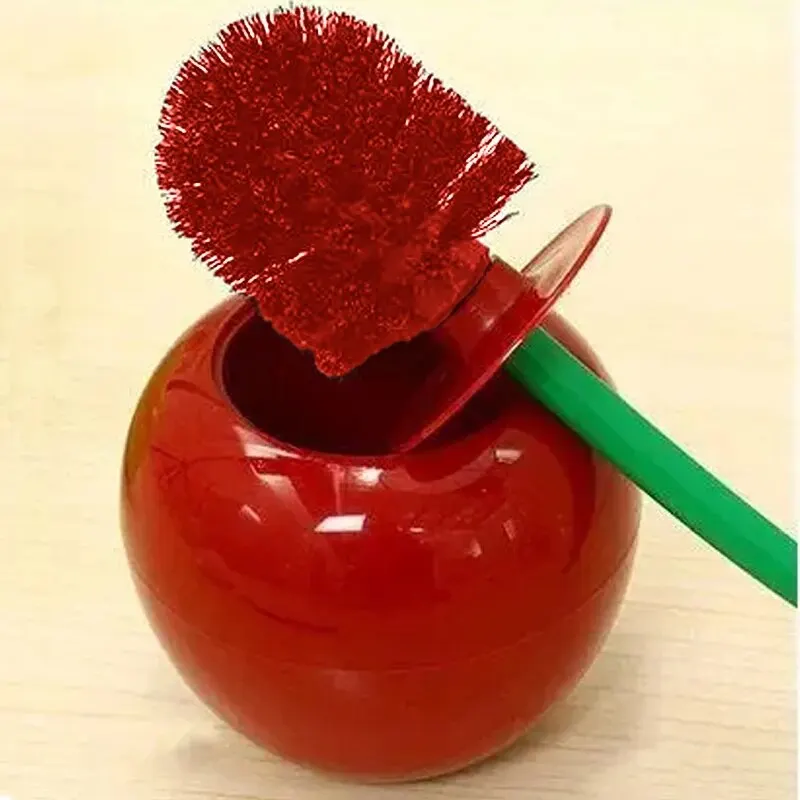
1pc Red Toilet Brush Creative Lovely Cherry Shape Lavatory T
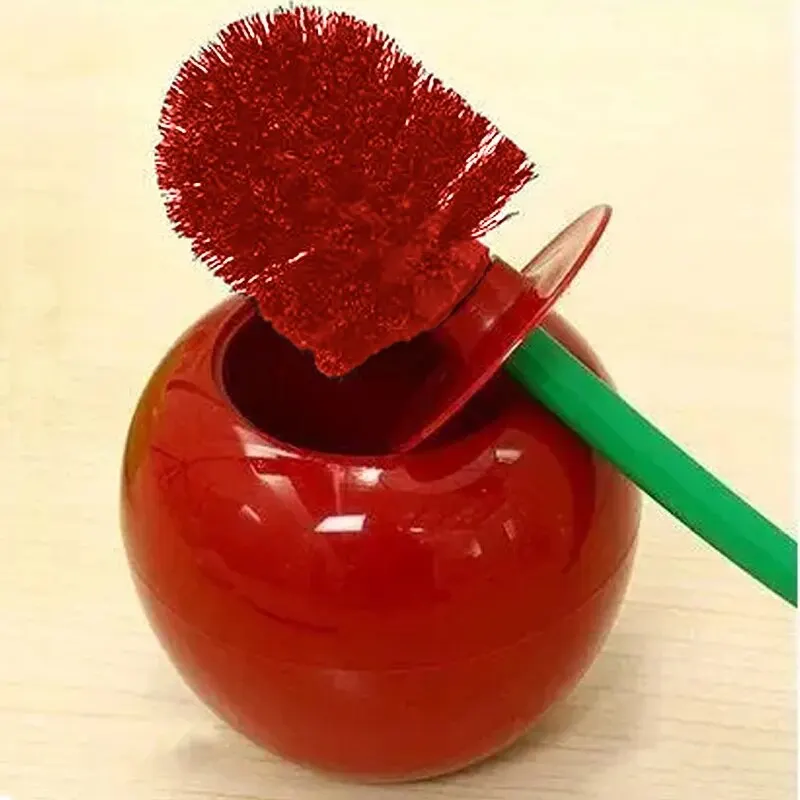
1pc Red Toilet Brush Creative Lovely Cherry Shape Lavatory T

1pc Red Toilet Brush Creative Lovely Cherry Shape Lavatory T
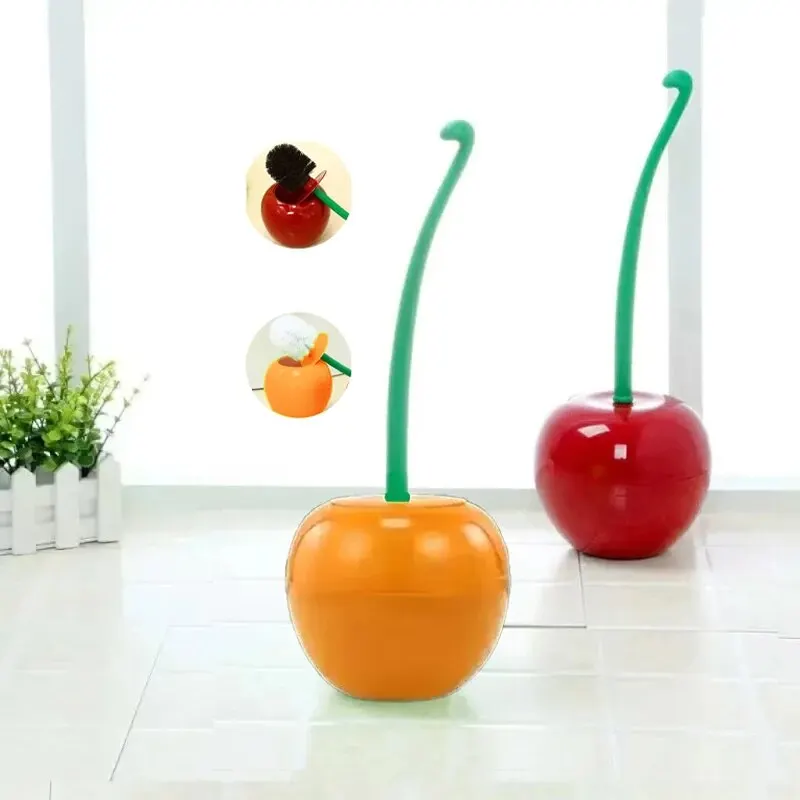
1pc Red Toilet Brush Creative Lovely Cherry Shape Lavatory T
The Silent Germ Factory in Your Bathroom (And How to Finally Shut It Down)
Let’s talk about the elephant in the room. Or rather, the tool in the corner. You use it, give it a cursory shake, and return it to its dark, damp holder. Out of sight, out of mind. But a few days later, a faint, persistent odor tells the real story. You’ve just put a germ incubator back on duty.
I was in the same boat, blissfully ignorant, until I decided to test my own "clean" bristle brush. The lab results weren't just bad—they were a revelation. What grew was a thriving biofilm community, a petri dish of bacteria and mold spores aerosolizing with every flush. That moment ended my complacency and started a deep dive into finding a genuinely hygienic solution. The answer, backed by material science and simple logic, isn't a better bristle brush. It's the end of bristles altogether.
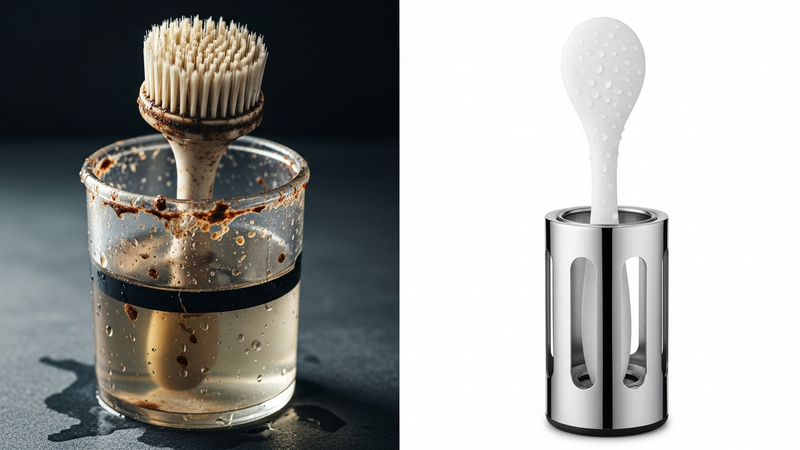
The Flaw in Your Current Setup: Why Bristles Breed Bacteria
The classic toilet brush is a design failure we’ve tolerated for decades. Think of those dense nylon bristles as a forest of tiny, porous spears. When you scrub, waste, minerals, and bacteria are forcibly wedged deep into the thicket.
These fibers are not solid. They’re full of microscopic pores and scratches that trap moisture and organic material. Placed in a dark, humid holder, you’ve created a five-star microbial resort. Pouring bleach over it offers a surface-level illusion of cleanliness, while a protected colony of E. coli, Salmonella, and mold thrives at the core. That funk you smell? It’s not the toilet. It’s the brush, slowly decomposing and redistributing germs.
The Science of a Cleaner Clean
Independent studies consistently show traditional brushes harbor exponentially more viable bacteria after use and rinsing compared to non-porous alternatives. This is where the material matters. High-quality silicone is inert, non-porous, and non-absorbent. There are no fibers for contaminants to latch onto, no microscopic caves for biofilms to form. It’s the same principle that made silicone kitchen tools indispensable: a smooth surface you can sanitize completely. If we demand that for our food, why not for a far more contaminated task?
The Silicone Solution, Explained
Moving to silicone isn’t just a trendy swap; it’s a functional upgrade that changes the entire chore. Here’s what you actually gain:
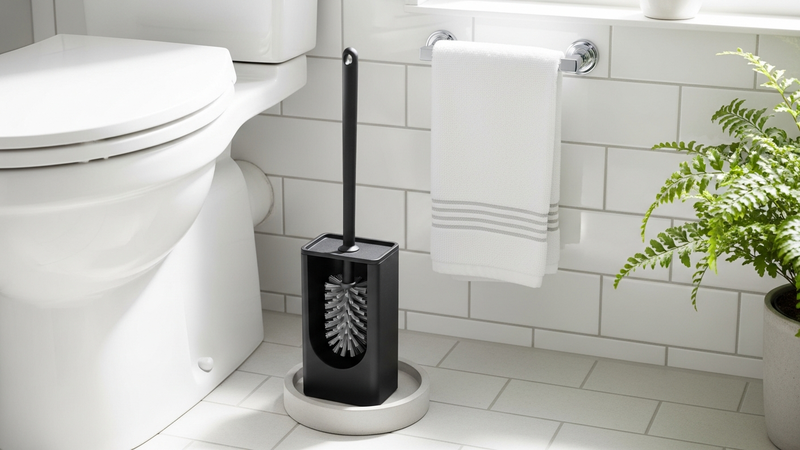
1. Real, Achievable Hygiene
This is the cornerstone. Because silicone doesn’t absorb, virtually all residue rinses away with hot water. Many models are dishwasher-safe, meaning you can subject the entire head to a sanitizing cycle. You’re not just cleaning the tool’s surface; you’re sterilizing its entire working end.
2. A Less Revolting Cleaning Process
Forget picking debris from a dense bristle forest. Silicone heads—often designed with wide fins or nodules—allow gunk to slide right off. The post-cleaning rinse is quick and thorough, which paradoxically makes you more likely to clean the cleaner properly.
3. Long-Term Durability
Quality silicone won’t fray, shed, or degrade when exposed to common cleaners like bleach or vinegar. While the upfront cost is higher, a good silicone brush outlasts a procession of disposable plastic ones, making it a smarter investment.
4. An Aesthetic You Don't Have to Hide
The grimy plastic caddy is an eyesore. Modern silicone systems are designed with aesthetics in mind, featuring matte finishes, elegant colors, and sculptural forms. When your cleaning tool looks like decor, you’re more inclined to keep it accessible—and actually use it.
The Honest Trade-Offs (No Product is Perfect)
Let’s be objective. Silicone isn’t magic, and a bad design is a bad design. Here’s what to watch for:
- Scrubbing Power: Floppy, thin silicone is ineffective. The key is finding a brush with a firm durometer (hardness) and intelligent head geometry (like angled fins) that provides mechanical agitation.
- Stability: A chic, lightweight holder that tips over is worse than an ugly stable one. Look for weighted bases or secure mounting.
- Cost: You will pay more upfront for a quality system. View it as a long-term investment in hygiene and durability.
- Care: While tough, exposing silicone to extreme, direct heat or undiluted harsh acids for years can cause brittleness or discoloration.
Finding the Right Silicone Brush: Your Buying Checklist
Navigating the market requires a discerning eye. Don’t just buy for looks. Use this checklist to find a tool that works.
1. Material Matters: Prioritize food-grade or platinum-cure silicone. This indicates higher purity, stability, and odor resistance. Avoid vague descriptions like "silicone material." 2. Inspect the Head Design: Avoid flat, ineffective paddles. Seek out 3D structures—concentric circles, graduated nodules, or firm, angled fins—that create scrubbing action. 3. Evaluate the System: The holder must have drainage/ventilation. The handle needs a secure, grippy texture. The brush should sit firmly in the base. 4. Demand Easy Sanitization: The gold standard is "dishwasher-safe." The ability to run the head through a sanitizing cycle is the ultimate hygiene win.
Our Tested & Vetted Picks: Silicone Brushes That Actually Work
After testing countless models against the grim reality of bathroom cleaning, these five systems stood out. Each solves the core hygiene problem but caters to different needs and budgets.

1. The Full-System Champion: The Basin & Grove Silicone Pro Set
- The Verdict: The complete, no-compromise solution.
- Why It Wins: This set nails every detail. The heavy, ceramic-based holder is virtually tip-proof and has ample ventilation. The handle locks securely into place. The head uses firm, food-grade silicone in a multi-directional fin design that scrubs aggressively. The entire unit is top-rack dishwasher safe. It looks sophisticated enough to leave out permanently.
- Best For: Those who want to buy the best once and never think about it again. It solves every flaw of the traditional brush.
- Note: The price reflects its premium, buy-it-for-life build.
2. The Budget-Minded Hygienist: PureWise Essentials Silicone Brush & Cup
- The Verdict: Maximum hygiene benefit at a minimal cost.
- Why It Wins: This simple two-piece set delivers the core advantage—a non-porous, dishwasher-safe silicone head—without the fancy stand. The silicone is surprisingly firm and well-textured for effective cleaning. It proves you don’t need a large investment to break free from bristles.
- Best For: Renters, value-seekers, or anyone wanting to test the silicone waters without a major commitment.
- Note: The included cup is lightweight; careful placement is needed to avoid tipping.
3. The Compact Space-Saver: Simplehuman Compact Silicone Wall Caddy
- The Verdict: Hygienic cleaning for the smallest spaces.
- Why It Wins: This brilliant system uses a powerful suction cup or adhesive mount to hold the brush and a removable rinsing cup directly on the wall or toilet tank. The short, angled brush has a dense, nodule-style silicone head that packs a punch. It eliminates floor clutter entirely.
- Best For: Powder rooms, RVs, boats, and apartments where every square inch counts.
- Note: Ensure you mount it on a clean, smooth surface for a secure hold.
4. The Easy-Sanitization Specialist: OXO Good Grips Dishwasher-Clean Brush
- The Verdict: For those who live by the dishwasher sanitize cycle.
- Why It Wins: OXO's engineering prowess is on full display. The entire brush—head and handle—is proudly dishwasher-safe. The silicone head detaches with a simple button press, and the holder is designed to dry the brush quickly. It’s the most straightforward path to a scientifically clean tool after every use.
- Best For: Families and germ-conscious individuals who want a foolproof, automated cleaning routine for the brush itself.
- Note: The design is more utilitarian than decorative.
5. The Design-Forward Innovator: Umbra Cappa Silicone Toilet Brush
- The Verdict: Where bold modern design meets serious function.
- Why It Wins: The Cappa doesn’t look like a toilet brush. Its sculptural, cone-shaped cover is a conversation piece. More importantly, the silicone head inside is large, firm, and ribbed for excellent cleaning. The cover acts as a stable, ventilated stand. It proves hygiene doesn’t have to be ugly.
- Best For: Design enthusiasts who want a tool that complements a modern bathroom aesthetic.
- Note: The cover needs occasional cleaning to prevent dust buildup inside.
The "Hot Take" You Didn't Ask For
Here’s my controversial stance that always sparks debate: The “self-cleaning” holder with a bleach reservoir is a scam.
Think about it. You’re maintaining a stagnant, corrosive chemical bath that off-gasses fumes, damages surfaces, and becomes diluted with contaminants. It’s a toxic band-aid applied to the fundamentally flawed design of a bristle brush. It fosters a false sense of security while perpetuating the use of a porous tool.
True cleanliness comes from a non-porous tool you can completely sanitize and dry, not one you perpetually marinate. Ditch the corrosive chemistry set. Choose intelligent material science instead.
The Final Verdict: Is It Worth the Switch?
Unequivocally, yes. Replacing a porous bristle brush with a non-porous silicone model is one of the most impactful small upgrades you can make for your home’s hygiene. It transforms a secretly disgusting chore into a manageable, even satisfying, task.
You’re not just buying a toilet brush. You’re buying out of a cycle of germ redistribution. You’re eliminating a primary source of odor and investing in a tool that will last for years, look good, and—most importantly—not become part of the problem it’s meant to solve.
What’s next? We’re putting "touchless" and automated bathroom cleaners under the microscope. Are they the future of hygiene or just over-engineered gadgets waiting to malfunction? Bookmark this page and check back for our next teardown.
Your Turn: What’s your biggest bathroom cleaning hack? Or your worst brush horror story? The comments are open—let’s talk dirty (so we can clean it better).
1pc Red Toilet Brush Creative Lovely Cherry Shape Lavatory T
1pc Red Toilet Brush Creative Lovely Cherry Shape Lavatory T
1pc Red Toilet Brush Creative Lovely Cherry Shape Lavatory T
1pc Red Toilet Brush Creative Lovely Cherry Shape Lavatory T
What we liked
- Silicone is non-porous, reducing bacterial growth and odor retention.
- Easy to clean and sanitize, often dishwasher-safe or requiring minimal effort.
- Durable and resistant to wear, with many options featuring ergonomic designs.
- Safer for septic systems and less likely to harbor mold compared to bristle brushes.
- Aesthetically pleasing with modern designs that complement bathroom decor.
What could be better
- Typically more expensive than traditional bristle toilet brushes.
- May be less stiff or effective on tough stains without proper design.
- Some models can slip or not fit securely in standard holders.
- Limited availability or variety compared to conventional options.
- Potential for silicone to degrade over time with harsh chemicals.
Gallery

Top Picks For You
We've curated these high-rated options matching Best Toilet Brushes: Why Silicone Heads are More Hygienic based on quality and value.
1pc Red Toilet Brush Creative Lovely Cherry Shape Lavatory T
1pc Red Toilet Brush Creative Lovely Cherry Shape Lavatory T
1pc Red Toilet Brush Creative Lovely Cherry Shape Lavatory T
1pc Red Toilet Brush Creative Lovely Cherry Shape Lavatory T
Level Up Your Shopping Game
Join 21,925+ smart shoppers who get our exclusive guides and honest reviews delivered weekly.
No spam ever. Unsubscribe with one click.
In this Article
Reading time: approx. 9 min